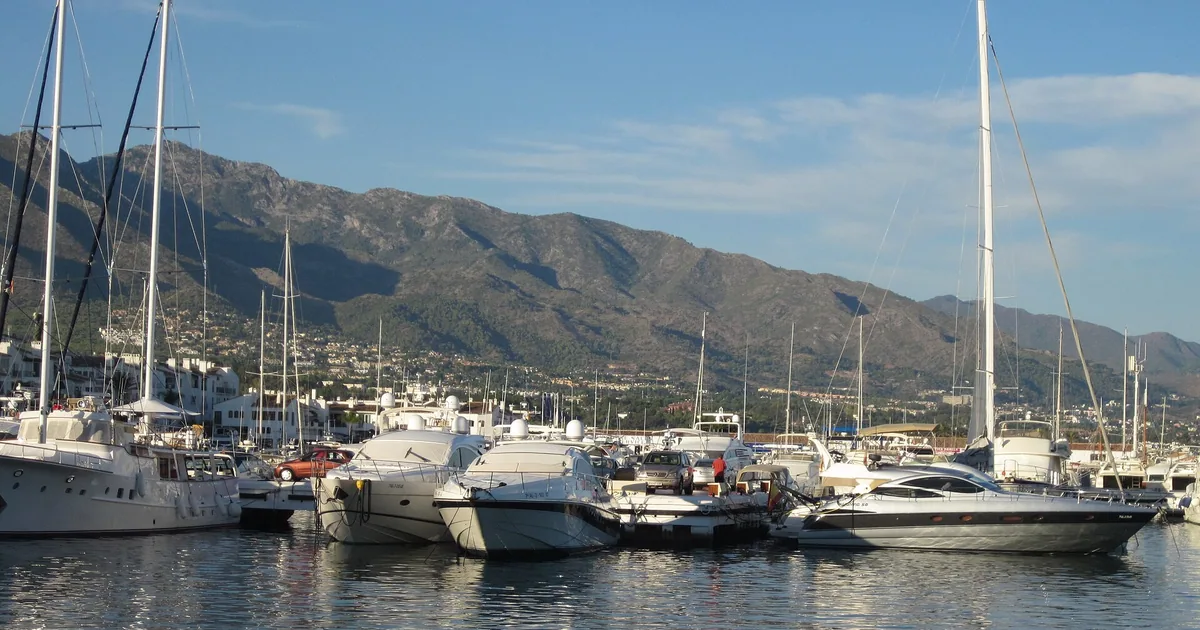
- Marbella has few dedicated wine bars; the best glasses are poured at La Bodega in Puente Romano, Bodegas La Venencia and the bars of serious restaurants
- La Bodega pours Vega Sicilia Único 2010 at €235 a glass and a 2022 Gredos Garnacha at €30, Wednesday to Sunday from 20:00
- Sherry is the bargain: manzanilla and fino from €5 a glass on Messina's 2026 list
- Málaga's own DOPs cover 67 municipalities; the 2026 harvest is forecast at 2.6 million kilos after a poor 2025
- La Venencia, a Jerez-style bodega since 1985, sells Rioja crianza from €21.50 a bottle
Visitors expect a town as rich as Marbella to be full of wine bars, and are surprised to find so few. Spaniards drink wine with food, so most of the best glasses are poured in bodegas, tapas bars and restaurant bars rather than in bars that call themselves wine bars. Marbella's best places to drink wine by the glass in 2026 are La Bodega at Puente Romano, with rare bottles from €30 a glass, Bodegas La Venencia in the centre for Rioja and manzanilla, and restaurant bars such as Messina's, where sherry starts at €5.
Our concierge team plans wine evenings for clients of our Marbella escort agency, so this guide gives the places, the prices on their 2026 lists and the Spanish and Málaga regions worth ordering. For how the companion side of an evening works, see our Marbella escorts guide.
Where Can You Drink Wine by the Glass in Marbella?
Five places cover it, from a garden bar pouring rarities to a ham-and-manzanilla bodega. La Bodega at Puente Romano has the deepest glass list, La Venencia the friendliest prices, Messina the best sherry list, El Pimpi Marbella the Málaga wines and La Milla a long cellar for lunch.
The Five Places, With 2026 Prices
Prices are from each venue's own 2026 list, VAT included.
| Where | What to drink | Prices in 2026 | When |
|---|---|---|---|
| La Bodega, Puente Romano | Rare Spanish and French wine by the glass | Table wines €16–€500 a glass; Vega Sicilia Único €235 | Wed–Sun 20:00–00:30 |
| Bodegas La Venencia | Rioja, Ribera, manzanilla with Ibérico ham | Bottles from €15; half bottles €16–€23.50 | Avda. Miguel Cano 15 |
| Messina | Sherry, Montilla and Málaga wines by the glass | €5–€22 a glass | Dinner only; shut Tue and Sun |
| El Pimpi Marbella | Málaga wines in a bodega setting | Ask for the Málaga list | Tue–Sat 19:00–01:00 |
| La Milla Marbella | 800-plus references with lunch on the sand | Restaurant prices | Closes 18:00–20:00 |
Why Marbella Has So Few Wine Bars
In Andalusia wine has always been drunk at the bar of a bodega, with ham or fried fish, rather than in a dedicated wine bar, and Marbella follows that pattern. The result is that the wine bar experience visitors look for, a long list by the glass with someone to explain it, happens in three places: a hotel garden bar, a Jerez-style bodega and the bars of good restaurants. Asking a restaurant to start you with a glass at the bar before dinner is a normal request here, and the sommelier is usually glad of the conversation.
La Bodega at Puente Romano: Rare Wines by the Glass
La Bodega is the resort's open-air garden bar and the front room of a cellar of more than 1,500 references run by wine programme director Alejandro Marcos. It opens Wednesday to Sunday from 20:00 to 00:30, and pours most of its list by the glass, by the 37.5 cl carafe or by the bottle.
What a Glass Costs at La Bodega
Table wines on the 2026 list start at €16 a glass for Minuty's Rosé et Or. Spanish reds by the glass include Rozas de Puerto Real 2022, a Gredos Garnacha, at €30; Pintia 2019 from Toro at €32; Moncerbal 2022 from Bierzo at €50; Alión 2000 at €75; Viña Tondonia Gran Reserva 1981 at €185; and Vega Sicilia Único Gran Reserva 2010 at €235. Whites start with Zárate Tras da Viña 2021, an Albariño, at €30. The ceiling is a Domaine de la Romanée-Conti at €500 a glass, according to the resort's own pages.
Use the Carafe
The 37.5 cl carafe, half a bottle, is the clever order for two. It gives each of you two generous glasses of a wine you would never open a whole bottle of: Pintia at €95, Alión 2000 at €225, Tondonia 1981 at €550. Ordering two different carafes and swapping halfway is the best tasting in Marbella for the money. Sweet wines come by the glass too: Château d'Yquem 2001 at €28 and a 1943 Don PX from Toro Albalá at €14.
Food, Spirits and Cigars
The bar serves oysters on ice, Beluga caviar and cured wagyu with the wine, and finishes with Japanese whiskies, rare Macallans and cigars from €35. The cellar behind it holds the resort's showpieces: a 100-year-old Montilla-Moriles, Tondonia 1947, Único 1964 and Pétrus 1989, with more than half the red list Spanish and bought direct from houses such as Vega Sicilia, Pingus and López de Heredia. Our Puente Romano guide covers the rest of the resort.
Bodegas La Venencia: The Jerez-Style Bodega Since 1985
La Venencia began in 1985 as a small Jerez-style bodega in San Pedro Alcántara, run by José González, known to everyone as Pepe, and moved in 1994 to Avenida Miguel Cano 15 in central Marbella. It sells ham, montaditos and wine at prices the Golden Mile has forgotten.
The 2026 Wine List
The January 2026 list is short and Spanish, with no wine over €66 a bottle. A Rioja crianza from Montecillo costs €21.50 and from Sierra Cantabria €24, or €17.50 for a half bottle; Protos from Ribera del Duero is €34; an Albariño from Chan de Rosas €26.50. Manzanilla Solear costs €15.50 a bottle and Tio Pepe fino €19.50. The bodega's own history lists Condado de Huelva and Montilla-Moriles among its regions.
How to Do La Venencia Properly
Go before dinner, at 20:00, order a bottle of manzanilla or a half of Rioja, and let the ham do the work: Ibérico cured meats are the house speciality, served alone, in a montadito or with fried eggs. It is loud, quick and local, and costs a fraction of a hotel bar; the list also covers Rueda, Condado de Huelva and Montilla-Moriles, with half bottles of the better reds. For more of the old town's bars and how tapas work, see our tapas guide.
Sherry and Montilla by the Glass: The Andalusian Aperitif
Sherry is the best value on any Marbella list: Messina's 2026 list pours manzanilla and fino from €5 a glass, a 30-year-old VORS oloroso for €11 and a rare Equipo Navazos oloroso from 80- to 90-year-old casks for €22. Montilla-Moriles, from Córdoba, makes similar styles, often without fortification.
The Styles in One Minute
- Manzanilla, from Sanlúcar de Barrameda, and fino, from Jerez: bone dry, pale, served chilled. Papirusa or Tio Pepe at €5 a glass.
- Amontillado and palo cortado: aged longer, nutty, still dry. A palo cortado from Fernando de Castilla is €12.
- Oloroso: dark, rich and dry, the one for cheese. Lustau's Don Nuño is €5.
- Pedro Ximénez: the sweet one. A 2015 vintage PX from Montilla-Moriles is €10.
How to Order It
Order a manzanilla or a fino with the first plate, never with dessert, and expect a small, cold glass. The rare bottles are the reason to look at the list: La Bota 110 de Manzanilla Pasada from Equipo Navazos costs €8 a glass and a fino from Viña Corrales, bottled in 2022, €14. At dinner-only Messina, closed on Tuesdays and Sundays, ask to start at the bar; the restaurant itself is covered in our Michelin guide.
Málaga's Own Wines: Sweet Moscatel and Mountain Reds
Málaga makes wine under two DOPs that most visitors never order. DOP Málaga, built on Pedro Ximénez and Moscatel, covers 67 municipalities in five zones; DOP Sierras de Málaga covers still wines, including the reds of the Serranía de Ronda. Both appear on serious Marbella lists by the glass.
Sweet Málaga, Pajarete and Lágrima
The regulatory council defines the classics: Pajarete, a liqueur wine with 45 to 140 grams of sugar a litre, aged at least two years; Lágrima, made from free-run must without mechanical pressing. On Messina's 2026 list, Jorge Ordóñez's Nº1 Moscatel costs €7 a glass, Nº2 €9, and Telmo Rodríguez's Molino Real €13. Order one with cheese or dessert; it is the most local thing on the list. In Málaga's historic centre, the regulatory council's Museo del Vino opens Monday to Friday from 10:00 to 17:00 and on Saturday mornings.
Ronda Reds and a Better 2026 Harvest
Sierras de Málaga reds use grapes from Tempranillo and Petit Verdot to the local Romé. Messina lists Pago El Espino 2023 from Ronda at €39 a bottle, Las Jacintas de Sedella 2021, made from Romé, at €69 and Kieninger Malbec at €75. Production is small: the council forecast the 2026 harvest at about 2.6 million kilos of grapes, a recovery after mildew cut 2025 by about 30 per cent. To taste at the wineries, see our Ronda wine day guide.
Which Spanish Regions Should You Try on a Marbella List?
Look past Rioja and Ribera. The most interesting glasses on Marbella lists in 2026 come from Toro, Bierzo, the Sierra de Gredos, Valdeorras and Rías Baixas, plus old Rioja that is hard to find abroad. Here is what each region tastes like and what a glass or bottle costs on this year's lists.
Reds Beyond Rioja and Ribera
- Toro: ripe, dark Tempranillo from the Duero. Pintia 2019, €32 a glass at La Bodega.
- Bierzo: fragrant, lighter Mencía from slate slopes. Moncerbal 2022, €50 a glass.
- Sierra de Gredos: high-altitude Garnacha, pale and fine. Rozas de Puerto Real 2022, €30 a glass.
- Old Rioja: Viña Tondonia Gran Reserva 1981, €185 a glass, the oldest Spanish red on a Marbella glass list we found.
- Ribera del Duero: Protos, €34 a bottle at La Venencia; Alión 2000, €75 a glass at La Bodega.
Whites for Fish and Shellfish
Spanish whites are the better match for the coast's seafood. Rías Baixas Albariño is saline and fresh: Zárate Tras da Viña at €30 a glass at La Bodega, or Chan de Rosas at €26.50 a bottle at La Venencia. Valdeorras Godello is rounder and richer: As Sortes, from Rafael Palacios, is €35 a glass. Rueda Verdejo is the everyday white, with Sietesiete at €15.50 a bottle at La Venencia, and a Málaga dry Moscatel, such as Ariyanas at €42 a bottle, is worth a try.
Buying Wine for a Villa or a Yacht
For bottles to take away, Nicolas Marbella in Guadalmina, San Pedro, stocks more than 600 references with 24 to 48 hour delivery on the mainland, cava from €9.99 and Champagne from about €33. Buying retail and paying a private chef usually costs far less than the same wines on a restaurant list.
Nicolas, Guadalmina
The shop at Guadalmina Baja, on the western edge of San Pedro, carries French and Spanish wines, Champagne and spirits; its summer 2026 selection ran from a Marqués de la Concordia cava at €9.99 to a Nicolas Feuillatte Réserve Exclusive at €38. For a villa dinner, ask for one Málaga Moscatel and one Sierras de Málaga red so guests taste the province. Our villa rentals guide covers the house side of the evening.
A Private Tasting
For a group, a private tasting beats a bar crawl. The Marbella Club's Bodega takes up to ten with its sommelier, and Puente Romano's team runs tastings and wine dinners in its cellar; our private dining rooms guide compares the rooms and menus. Ask for a flight of six: two sherries, a Spanish white, two reds and a sweet Málaga. Puente Romano also holds sommelier evenings at which Spanish wineries present new vintages; ask the concierge for the autumn calendar.
A Wine Evening With a Companion
A wine bar suits a first meeting better than a restaurant: shorter, easier to leave and easier to talk. A glass at La Bodega at 20:00 and dinner at 21:30 fits a dinner-date booking, a minimum of three hours and so from €900, at the same price on a Saturday as on a Tuesday.
The Shape of the Evening
Start at La Bodega when it opens at 20:00 and order a carafe to share, then walk to dinner at Puente Romano or take a short taxi to the old town. If your companion knows wine, let her choose the second carafe; several of ours enjoy exactly that. Our dinner date companions are the right group for a seated, talkative evening, and our girlfriend-experience companions suit a slower night that ends at the hotel.
Golden Mile or San Pedro
La Bodega and La Milla sit on the Golden Mile, La Venencia in the centre and Nicolas in Guadalmina, so where you stay decides the evening. Clients staying near Puente Romano can walk to La Bodega in a few minutes; villa clients in Guadalmina or Nueva Andalucía usually host instead. Our pages for companions on the Golden Mile and in San Pedro show who covers each end, and when we quote we say whether the distance changes the price; her taxi is paid by the client.
Frequently Asked Questions
What is the best wine bar in Marbella?
For range and rarity, La Bodega at Puente Romano, a garden bar open Wednesday to Sunday from 20:00 to 00:30 that pours wines such as Vega Sicilia Único and Viña Tondonia 1981 by the glass. For value and atmosphere, Bodegas La Venencia on Avenida Miguel Cano, a Jerez-style bodega with Rioja from €21.50 a bottle.
How much is a glass of wine in Marbella?
It varies enormously. A glass of manzanilla or fino costs about €5 at a good restaurant bar, while table wines by the glass at La Bodega in Puente Romano start at €16 and its top Spanish reds run from €30 to €285. At Bodegas La Venencia a whole bottle of Rioja crianza costs €21.50.
Which Spanish wine regions should I try in Marbella?
Beyond Rioja and Ribera del Duero, try Toro and Bierzo reds, Gredos Garnacha, Rías Baixas Albariño and Valdeorras Godello, plus the local DOP Málaga sweet Moscatels and Sierras de Málaga reds from around Ronda. Sherry and Montilla-Moriles are the best value on almost every list.
Are Málaga wines only sweet?
No. DOP Málaga covers the famous sweet and fortified wines made from Pedro Ximénez and Moscatel, but DOP Sierras de Málaga covers dry whites, rosés and reds, including reds from the Serranía de Ronda made from Tempranillo, Petit Verdot, Syrah and the local Romé grape.
Planning a Wine Evening in Marbella?
Send us the bar, the restaurant and the time on WhatsApp. We confirm which companions are free that evening, suggest one who enjoys a good glass and a long conversation, and give you the price of the evening.
Book on WhatsApp