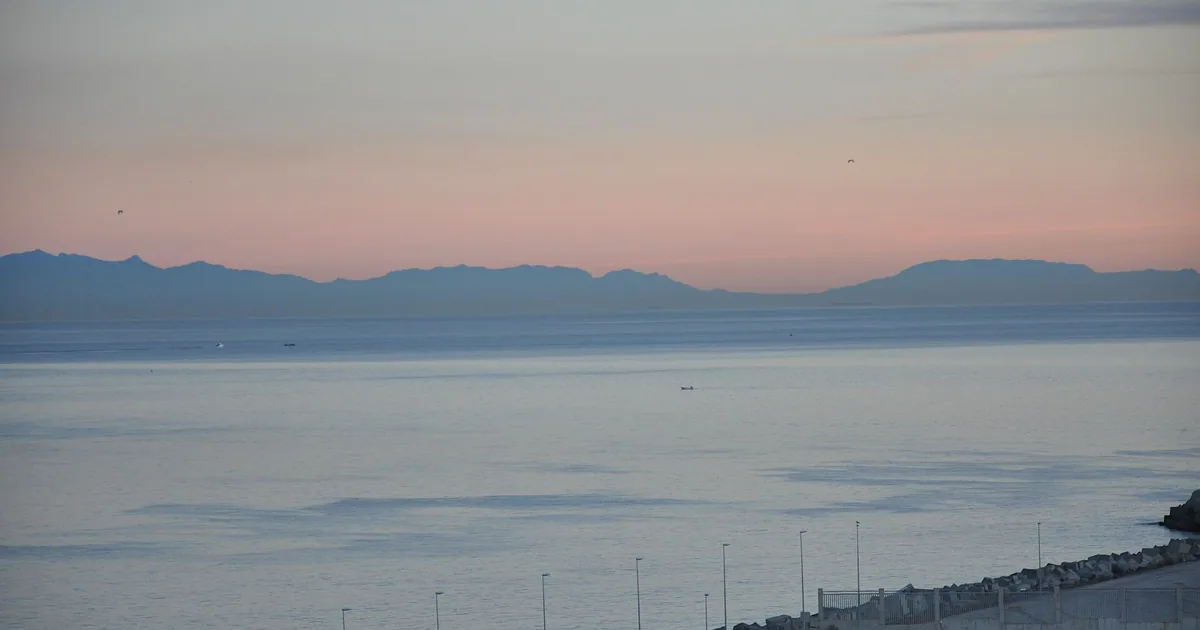
- The Mediterranean here is not the Red Sea — expect modest visibility and moderate marine life, honestly assessed
- What it does have: accessible wrecks, rocky reefs, and water warm enough to dive comfortably into November
- Sea temperature peaks around 23.4°C in August and holds about 21.8°C in September, the best diving months
- A two-tank day with a centre runs roughly €80–€150 including equipment
- Certification is required for anything beyond a supervised try-dive; centres verify cards
Nobody flies to the Costa del Sol to dive, and it is worth saying that plainly before describing what is actually here — which is better than the coast's reputation suggests. The western Mediterranean has modest visibility by tropical standards and moderate marine life, but it also has accessible wrecks, decent rocky reefs, water that stays comfortable well into autumn, and dive centres that will take you out on a morning with no more planning than a phone call. Marbella diving offers accessible wrecks and rocky reefs in water peaking at about 23.4°C in August and still near 22°C in September, with a two-tank day running roughly €80–€150 including equipment — modest by tropical standards and better than its reputation. Our watersports calendar covers conditions.
An Honest Assessment
Visibility is typically moderate rather than exceptional, marine life is Mediterranean rather than tropical, and the sites are interesting rather than spectacular. Within those limits, it is genuinely enjoyable diving. Expectations first.
Visibility
Variable and generally moderate — better in the autumn after a calm summer, worse after storms or strong easterly winds. It is not the Red Sea and no operator here will pretend otherwise. Late September and October frequently give the best conditions of the year.
The Mediterranean is less biodiverse than tropical seas but supports distinctive temperate species, which is the honest frame for diving here.
What You Will See
Mediterranean species — octopus, moray, nudibranchs, bream, occasional rays — on rocky reefs and around wrecks. It rewards attention rather than delivering spectacle. Divers who enjoy looking closely at small things do considerably better here than divers waiting for something large.
The Sites
Wrecks, artificial reefs and natural rocky formations along the coast between Marbella and Estepona, plus more interesting diving further west toward Gibraltar and around the strait. Three categories.
Wrecks
Several accessible wrecks lie along this coast at recreational depths, and they are the most consistently interesting diving available locally. Wrecks concentrate marine life and give a dive a focus that a rocky reef does not. Centres will tell you which are within your certification level.
Rocky Reefs
Natural formations along the coast, generally shallow, suitable for open-water certification and for try-dives. Good for a first dive or a refresher rather than for an experienced diver looking for something demanding.
West Toward the Strait
Diving improves west of Estepona and around the Strait of Gibraltar, where Atlantic water and stronger currents produce richer life — but currents there make it advanced diving rather than casual. A day trip west is what serious divers on this coast do. Our Gibraltar post covers the area.
Water Temperature and the Season
The Mediterranean here peaks at around 23.4°C in August, holds about 21.8°C in September and drops through autumn. September and October are the best diving months — still-warm water and the year's best visibility. The season runs longer than people assume.
Sea Temperature
| Period | Approx. sea temp | Suit |
|---|---|---|
| June – July | 20–23°C | 5mm wetsuit |
| Aug – Sept | 22–23.5°C | 3–5mm |
| October | 20–21°C | 5mm |
| Winter | 15–17°C | 7mm or drysuit |
September and October
The water is still warm after a summer of heating, about 21.8°C in September against the 23.4°C August peak, and the visibility is frequently the best of the year — the same reason September is the coast's best month generally, which our September post covers. Centres operate year-round with thicker suits in winter.
Certification and Try-Dives
Recognised certification is required for anything beyond a supervised try-dive, and centres verify cards and logbooks. A discover-scuba session lets uncertified visitors dive under direct supervision. Two routes in.
If You Are Certified
Bring the card and a logbook. Centres check both and may ask about recent dives — a long gap will mean a refresher before anything demanding, which is standard practice and reasonable. Equipment hire is included in most day rates.
If You Are Not
A supervised try-dive in shallow water is available at every centre here and it is a perfectly good introduction — a briefing, then a shallow dive with an instructor holding on. Costs roughly the same as a certified dive. It is also how a great many people discover whether they want to certify at all.
Courses
Open-water certification takes three to four days and the conditions here are suitable for it — warm, shallow and undemanding, which is genuinely what a beginner wants. It is a reasonable use of a longer stay, though it does consume most of it.
What Does It Cost?
€80–€150 for a two-tank day including equipment and boat, €60–€90 for a single dive, and a similar figure for a supervised try-dive. Certification courses run several hundred. Modest by watersports standards here.
Typical Rates
A two-tank boat day with equipment included is the standard product at €80–€150. Against a jet ski at €120 for an hour or a charter at €2,000 a day, diving is one of the better-value things to do on this water — you are out for a morning and the equipment is included.
It Is a Morning, Not a Day
Two dives with a surface interval takes roughly four hours including the boat, typically finishing early afternoon. That leaves the rest of the day, which makes it easier to fit into a trip than a full charter does — and diving and drinking do not mix, so an early finish is the correct shape anyway.
Practicalities
No flying within the recommended interval after diving, no alcohol before, and book a day ahead in summer. Morning boats have the calmest water, as with everything on this coast. Three things.
Flying After Diving
Standard guidance is to leave a substantial interval between the last dive and a flight — generally at least 18 to 24 hours after multiple dives. That matters on a short trip: do not book diving for the day before you fly home. Centres will remind you, but plan the itinerary around it.
Conditions
The easterly Levante affects diving as it affects everything on this water — reduced visibility and rougher boat rides. Centres cancel in poor conditions and reschedule. Morning departures are calmer, which is the same daily pattern our paddleboarding post describes.
Booking
A day ahead in summer for the popular boats, same-day out of season. Centres operate from Marbella, Puerto Banús and along the coast toward Estepona. Bring the certification card; a photograph of it is generally not accepted.
Frequently Asked Questions
Is the diving good in Marbella?
Better than its reputation and modest by tropical standards. Visibility is typically moderate and the marine life is Mediterranean rather than spectacular, but there are accessible wrecks, decent rocky reefs and water warm enough to dive comfortably into November.
When is the best time to dive here?
September and October. The Mediterranean peaks around 23.4°C in August and is still about 21.8°C in September, and visibility is frequently at its best in autumn. Centres operate year-round with thicker suits in winter.
Do I need to be certified?
For anything beyond a supervised try-dive, yes — and centres verify cards and logbooks, sometimes asking about recent dives. Uncertified visitors can do a discover-scuba session in shallow water with an instructor, which costs about the same as a certified dive.
What does a dive day cost?
€80–€150 for a two-tank boat day including equipment, €60–€90 for a single dive, and a similar figure for a supervised try-dive. It is one of the better-value things to do on this water compared with jet skis or charters.
Can I dive the day before I fly?
No. Standard guidance is to leave at least 18 to 24 hours between the last dive and a flight, longer after multiple dives. Plan the itinerary around it — diving belongs early in a trip rather than at the end of one.
A Morning on the Water?
Diving finishes early afternoon, which leaves the day and the evening intact. Tell us your dates and we will build the rest of it — companion suggestions, dinner and one all-in figure.
Book on WhatsApp