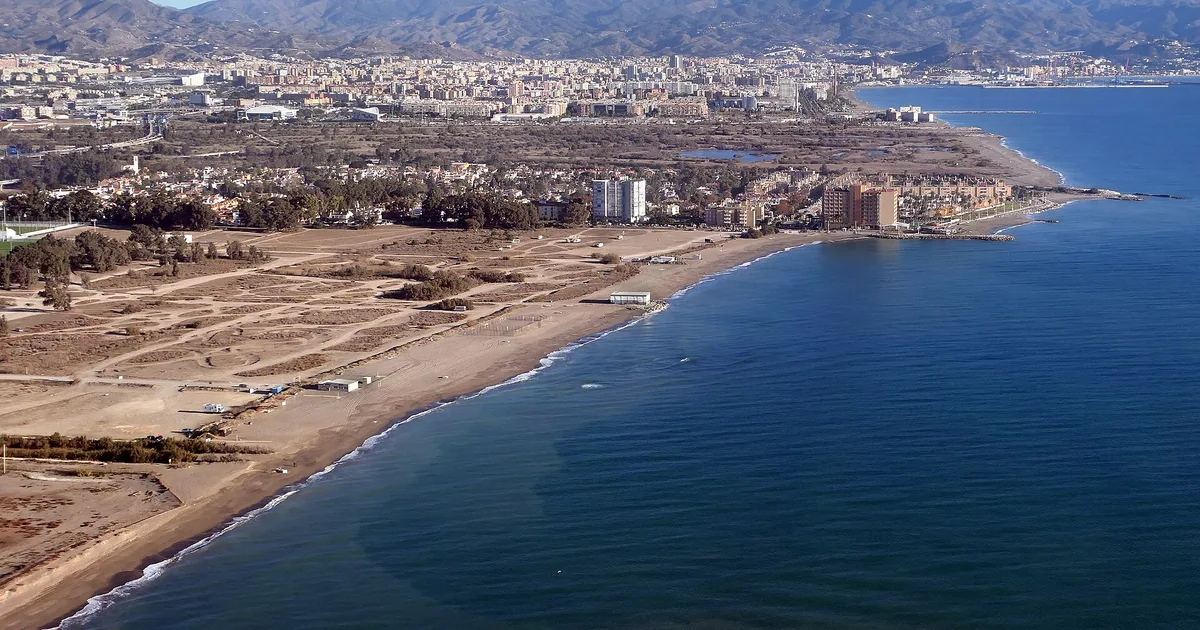
- The best-equipped family beaches are El Faro and La Bajadilla in the centre: Blue Flag, lifeguards, adapted toilets, walkways to the water and assisted bathing
- For more space and easy parking, go east to Cabopino, Real de Zaragoza or La Víbora, or west to San Pedro, where the free car park has 40 spaces
- Lifeguards work daily from 1 June to 30 September; assisted bathing runs 11:00 to 20:00 in July and August and 11:00 to 19:00 in June and September
- Private shade tents must have three open sides, measure no more than 3 m a side and stand at least 15 m from the waterline; games must keep 6 m from other people
- Dogs are only allowed at El Pinillo and Ventura del Mar during the bathing season; La Cabane admits nobody under 16 to its pool
Marbella is easy with children if you pick the beach for its facilities rather than its name. The town's tourism office lists which beaches have adapted toilets, walkways down to the water and an assisted-bathing service, and its 2024 beach ordinance sets out exactly what you may put on the sand. This is an unusual page for a Marbella escort agency, but clients who also know the coast from family holidays ask us these questions every summer, so the answers are collected here. For small children, the best Marbella beaches are El Faro and La Bajadilla in the centre, for their lifeguards, toilets, accessible walkways and calm water; for space and simple parking, Cabopino, Real de Zaragoza or San Pedro.
The last section explains how we keep family days and adult bookings apart; the wider rules are in our Marbella escorts guide.
What Makes a Marbella Beach Work for Children?
Five things: a lifeguard tower in sight, toilets and showers, calm water, shade you can rent or bring, and parking or a short walk from where you are staying. The Blue Flag beaches cover the first two by definition, and the town-centre beaches between the marina and the fishing port have the calmest water.
The Checklist We Use
A Blue Flag requires public toilets and lifeguard and first-aid cover, so a flagged beach in season is the safe default; Marbella has eight for 2026. Then look for shade: very few beaches here have trees, so it means a rented parasol or your own. Food matters with children, and almost every central beach has a chiringuito within a short walk. Finally, think about the walk from the car: a free car park at the sand, as at La Víbora, beats a cheaper hotel on the wrong side of a busy road.
Calm Water and Almost No Tide
The Mediterranean here barely moves: the difference between low and high water is around 30 centimetres, so the water's edge stays where the children left it. The swell is a different matter. Easterly winds put waves onto the open beaches, while the town beaches, sheltered by the marina and the fishing port, stay calmer. Our swimming beaches guide covers water quality, currents and sea temperatures; this page sticks to facilities.
Marbella's Best Family Beaches Compared
El Faro and La Bajadilla are the most complete: Blue Flag, assisted bathing, adapted toilets and walkways to the shore, and both earned the UNE 170001 accessibility certificate in August 2026. Cabopino and Real de Zaragoza trade some services for space, and San Pedro has a free car park.
Eight Beaches, Side by Side
| Beach | 2026 Blue Flag | Assisted bathing | Parking nearby |
|---|---|---|---|
| El Faro | Yes | Yes, plus adapted toilets and walkways | Marina car park, about 200 m, by the hour |
| La Bajadilla | Yes (with La Venus) | Yes, plus adapted toilets and walkways | Free car park at the fishing port |
| La Fontanilla | Yes | Yes | Underground car parks behind the promenade |
| Cabopino | Yes | Yes, with shade on the sand and in the water | Public car park and marina car park |
| Real de Zaragoza | No | Yes | Car park at the beach |
| La Víbora | No | No | Free El Laurel car park at the sand |
| San Pedro (La Salida) | No | Yes, plus accessible facilities | Free car park on Avenida Mar Mediterráneo, 40 spaces |
| Nueva Andalucía | No | Yes, plus adapted toilets and walkways | Paid underground car parks in Puerto Banús |
Sources: ADEAC's 2026 Blue Flag list and the facilities listed on Marbella's official tourism site. Assisted bathing runs from June to September and must be booked in advance.
El Faro and La Bajadilla: The Most Equipped
Both have reserved parking for people with reduced mobility, walkways from the promenade to the water's edge, adapted toilets, changing rooms and showers, parasols with space for mobility aids, and staff to help with bathing. In August 2026 the town announced the UNE 170001 accessibility certificate for both, along with Puerto Banús and San Pedro de Alcántara. El Faro sits beside the Virgen del Carmen marina, with a car park about 200 metres away; La Bajadilla, just west of the fishing port, has a free open-air car park at the port.
Cabopino, Real de Zaragoza and San Pedro
East of town, Cabopino has a public car park and a marina car park, a 2026 Blue Flag, and a dedicated assisted-bathing area with shade on the sand, shade in the water and handrails into the sea. Families set up near the marina end; the naturist stretch is further west, in front of the dunes, as our naturist beaches guide explains. Real de Zaragoza has a car park at the beach, and in the west, San Pedro's La Salida beach has a free 40-space car park on Avenida Mar Mediterráneo.
Assisted Bathing and Step-Free Beaches
Marbella runs an assisted-bathing service with amphibious chairs, so wheelchair users and people with limited mobility can get into the sea with trained staff. It operates from 11:00 to 20:00 in July and August and from 11:00 to 19:00 in June and September, and it must be booked in advance by phone.
How the Service Works
The town's beach pages describe it as assistance in the sea using amphibious chairs, available on request, with users asked to follow the staff's instructions. Bookings go through the beaches department's assisted-bathing line, +34 658 61 83 33. The beaches offering it include El Faro, La Bajadilla, La Fontanilla, Nueva Andalucía, Real de Zaragoza, San Pedro's La Salida and Cabopino. Book the day before in July and August; the chairs are few and the slots fill.
Getting a Buggy to the Water
The same walkways that serve wheelchairs make the sand manageable with a pushchair. El Faro, La Bajadilla and Nueva Andalucía all have boardwalks from the promenade to the shoreline, and Cabopino's assisted area has handrails into the water that anyone can use without asking for help. Elsewhere, expect soft sand and a carry. If one of your party uses a wheelchair, base yourselves near El Faro or La Bajadilla: reserved parking, adapted toilets and the boardwalks are all in one place.
Shade, Sunbeds and the Rules on the Sand
Rent a sunbed and parasol from a licensed lot, or bring your own shade within the rules. Marbella's 2024 ordinance caps lots at 24 sunbeds and 12 parasols per 100 square metres, keeps a six-metre strip free at the water's edge, and limits private shade tents to three open sides, three metres a side.
Bringing Your Own Shade
A private shade tent is allowed if at least three of its four sides are open, no side is longer than three metres, and it stands at least 15 metres back from the high-water line, never in front of a sunbed lot or a beach access. Round tents must be open on a quarter of their perimeter and cover no more than nine square metres, and two tents may not be joined. Leaving a parasol, chairs or a tent to hold a spot before you arrive is banned, and inspectors can remove it.
Renting a Sunbed
Licensed lots must display a board with the lot's code, the number of sunbeds, its area and the price, so check it before you sit down. The six-metre strip between the high-water line and the first row of sunbeds stays free by law, which leaves children room to play at the water's edge. On a busy August day, the lots near the promenade fill by late morning; arrive early, or bring your own parasol and keep to the rules above.
Ball Games and Space
Games and exercise are allowed on the sand and in the water during the season, provided they are kept far enough from other people to avoid bothering them, and never closer than six metres. The ordinance gives walking, sitting and swimming priority over every other use, and ball games and paddle bats belong where the beach is wide enough or in areas set aside for them. On a crowded town beach that usually means the early morning or the late afternoon.
Food, Toilets and Showers
Every Blue Flag beach must have public toilets, and the accessible beaches add adapted toilets, changing rooms and showers. For lunch, the chiringuitos along the central beaches are within a short walk; La Pesquera del Faro, beside the marina, opens daily from 11:00 and has a children's menu.
Lunch With Children
La Pesquera del Faro, on El Faro beach, runs a children's menu of homemade burgers, chicken nuggets with chips, chicken escalope and fried white fish, and its 2026 adult menu has sardine espetos at €14 and seafood paella at €28 a head for two or more. It is open every day of the year from 11:00. Glass is banned on the sand, so drinks from a chiringuito stay at its tables. For the wider tradition, our chiringuito guide explains how espetos and fried fish are ordered.
Toilets and Showers
ADEAC's criteria require every Blue Flag beach to have public toilets, and urban flagged beaches must have one adapted for people with disabilities. Showers and foot taps are along the promenades of the central beaches, but the ordinance forbids soap and shampoo in them and in the sea. On the eastern beaches, facilities thin out the further you go from Cabopino and the town, so families heading to the wilder stretches should take water and plan lunch around the nearest chiringuito.
Beach Clubs, Dogs and Other Family Questions
Some beach clubs welcome children and some do not: Ocean Club calls itself a family venue and suggests weekdays for young children, while La Cabane admits nobody under 16 to its pool. Dogs are only allowed at El Pinillo and Ventura del Mar during the bathing season; elsewhere a dog on the sand is a minor offence.
Which Beach Clubs Take Children
Ocean Club, beside Puerto Banús, describes itself as a family venue and recommends coming during the week with young children; its opening and closing parties are strictly over-18. La Cabane, the Kimpton Los Monteros beach club, does not admit under-16s to its pool area. Playa Padre's Sundays are a late-night party. Our Ocean Club review has the 2026 bed prices if a pool day with older children appeals; for younger ones, a public beach with a rented parasol is cheaper and simpler.
Bringing the Dog
During the bathing season, from 1 June to 15 October and in Holy Week, dogs are allowed only in the signposted canine zones: part of El Pinillo, east of the centre, and Ventura del Mar in San Pedro de Alcántara, as the town hall reminded visitors in July 2026. El Pinillo, a 1.5 km beach that is among the least crowded in summer, has drinking fountains and showers for dogs in its canine zone. A dog on any other beach in season is a minor offence under the ordinance.
When to Go With Children
Mornings until about 12:30, then lunch in the shade, then the beach again after 17:30. The midday sun in July and August is the main hazard with small children. June and September give lifeguards, warm water and half the crowds; lifeguards finish on 30 September, so October beach days are unsupervised.
The Daily Rhythm
Spanish families do it the same way: the beach from 10:00 to about 13:00, a long lunch, a siesta, then back from 17:30 until sunset, which is around 21:40 in late June and 21:10 by mid-August. Lifeguards are on duty from 11:00, so the first hour before that is unsupervised. The late session is the better one for small children: the sand has cooled, the water has warmed all day, and the lifeguards stay until 20:00 in July and August.
The Best Months
June is the best month for young families: daily lifeguards from the 1st, the sea at about 21°C by the end of the month, and quieter beaches until the Spanish and British school holidays begin. September is the other good choice, with the sea still around 22°C. August is the busiest month, and in the first three weeks of August you should arrive before 10:30 for any parking near the sand. Our beach season guide lists the season dates.
Keeping Family Days and Adult Bookings Apart
Simply: we never book companions into family settings. Nothing in our service involves children, family beaches or family accommodation. When a trip has a family part and an adult part, clients plan the adult part around adult venues, such as La Cabane's 16-plus pool or Nobu's adults-only pool, and book us for that.
Where the Adult Part of a Trip Happens
Clients who spend a week here with family and then a few days on their own usually move hotel for the second half, and choose venues where children are not part of the picture: La Cabane's pool, which admits nobody under 16, the adults-only pool at Nobu, covered in our Nobu Hotel Marbella guide, or dinner in the old town. A dinner date is the most common first booking in that situation: three hours at least, so from €900.
Rates and Notice
An hour is €300, two hours €600, from the Golden Mile to Puerto Banús; outside Marbella, two hours minimum plus her taxi. A dinner date starts at €900, an overnight is €3,000 to €4,000 depending on the companion and the length, and weekends cost the same. In July and August give us a few days' notice for a weekend. A dinner date can be changed free until 24 hours before, an overnight until 48 hours before, as our cancellation guide explains. Profiles are on our companions page.
Frequently Asked Questions
Which is the best beach in Marbella for small children?
El Faro, beside the Virgen del Carmen marina, closely followed by La Bajadilla. Both hold 2026 Blue Flags and have lifeguards, adapted toilets, walkways to the water and assisted bathing, and the harbour breakwaters keep their water calmer than the open beaches. El Faro also has a car park about 200 metres away.
Can I put up a beach tent in Marbella?
Yes, within the rules. A private shade tent must have at least three of its four sides open, no side longer than three metres, and stand at least 15 metres from the high-water line, never in front of a sunbed lot or a beach access. Leaving it up to reserve a spot is banned.
Are dogs allowed on Marbella beaches?
Only in the signposted dog zones at El Pinillo and Ventura del Mar during the bathing season, which runs from 1 June to 15 October plus Holy Week. A dog on any other beach in that period is a minor offence. Outside the season the restriction lapses, but keep dogs away from people.
Is there free parking near Marbella beaches?
Yes, at several. The El Laurel car park at La Víbora is free and right at the sand, San Pedro's La Salida has a free 40-space car park on Avenida Mar Mediterráneo, and there is a free open-air car park at La Bajadilla fishing port. Central car parks near El Faro and La Venus charge by the hour.
When do lifeguards work on Marbella beaches?
Daily from 1 June to 30 September, and at weekends from Holy Week until the end of May. In July and August the service runs until 20:00. Early mornings and evenings after the lifeguards leave are unsupervised, and so is the whole of October, even though the sea is still about 20°C.
Planning the Adult Part of Your Trip?
Tell us the dates, where you will be staying and what kind of evening you have in mind. We will suggest who is free and confirm the price before you commit.
Book on WhatsApp